
Feature Story
Flying Panda’s: Skyward Adventures Above the Bamboo Valleys
Picture giant pandas drifting between cloud ridges at sunrise, riding warm air over bamboo forests like silent gliders. This post blends fantasy storytelling with practical editorial structure so the article reads beautifully and still feels purposeful.
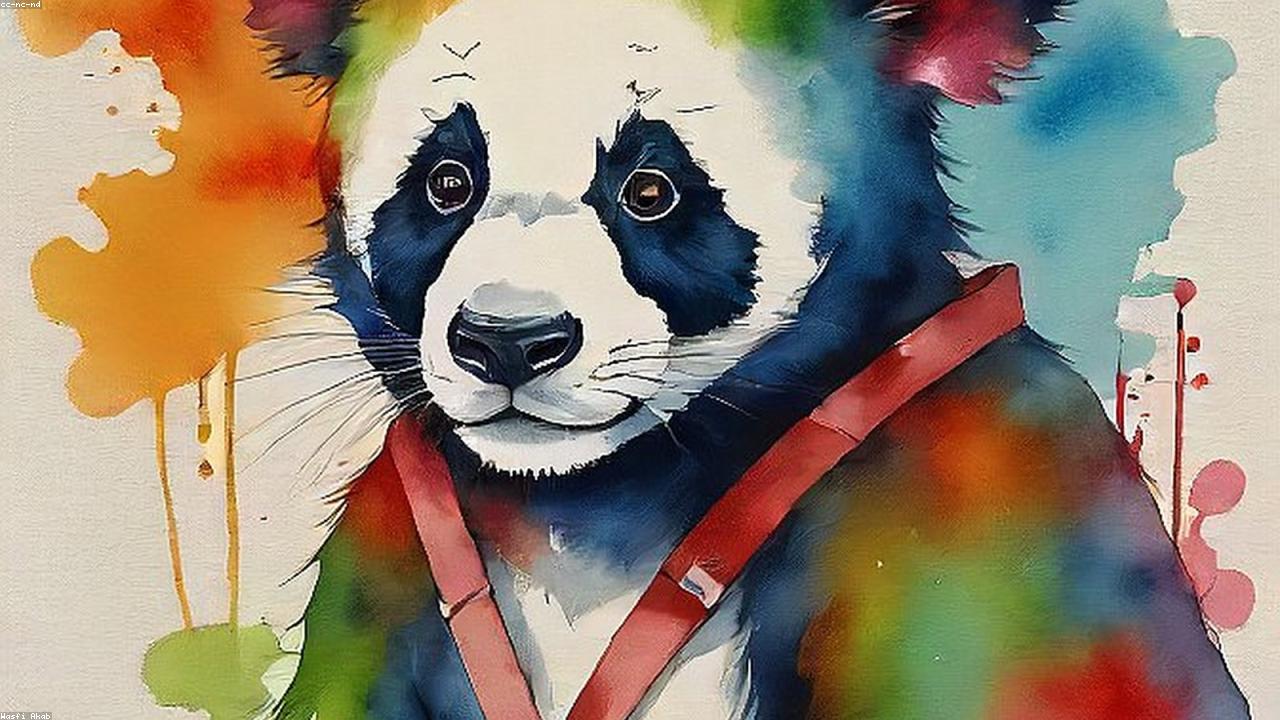
Why the Flying Panda Concept Works
The idea is memorable because it pairs something heavy and familiar with something impossible and graceful. That contrast gives readers instant curiosity. In visual content, pandas are especially strong subjects because their markings create high contrast and stay readable across bright skies and darker landscape backgrounds.
For long-form posts, this theme also supports a clear narrative arc: discovery, movement, environment, and practical takeaways. That structure keeps the article polished instead of chaotic, even when the concept is imaginative.
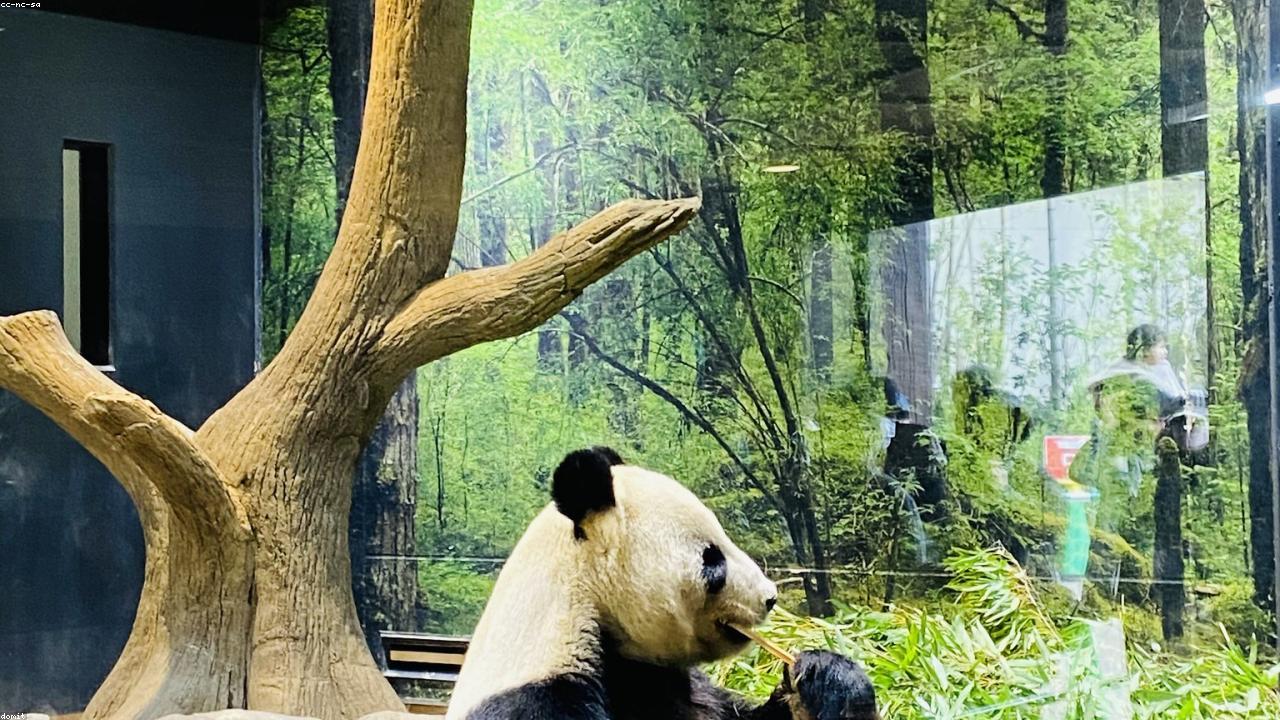
Flight Paths in a Fantasy Ecosystem
In this imagined world, flying pandas glide on thermal bands that rise above warm stone valleys. Their movements are calm and looping rather than fast, which matches their gentle personality and makes each scene feel cinematic.
You can think of the route in three layers: high sunrise arcs, midday hovering near bamboo terraces, and slow evening descents into mist. This layered system gives your post natural section transitions and helps images feel intentional.
Blend one real environmental detail with one surreal movement cue in each scene for the best reader immersion.
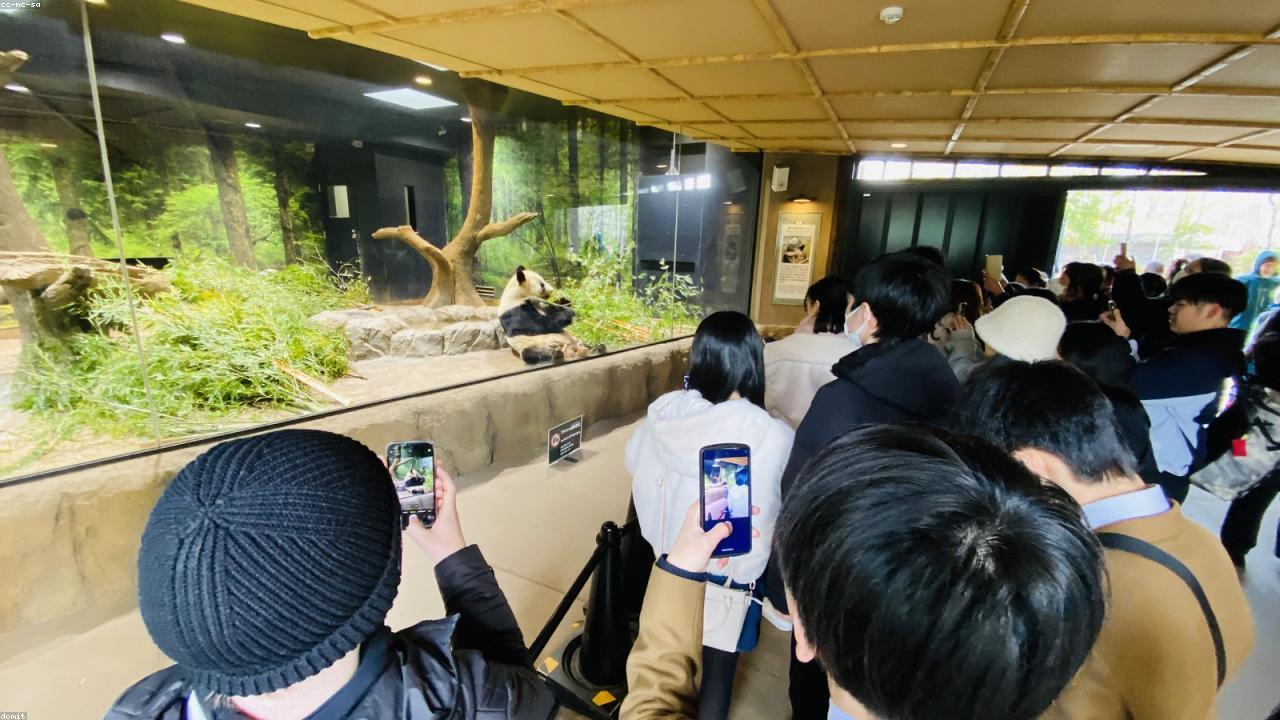
Visual Gallery
A polished article benefits from varied image rhythm: one hero image, one context image, and one detail image. The gallery below keeps that pacing clean and easy to scan.
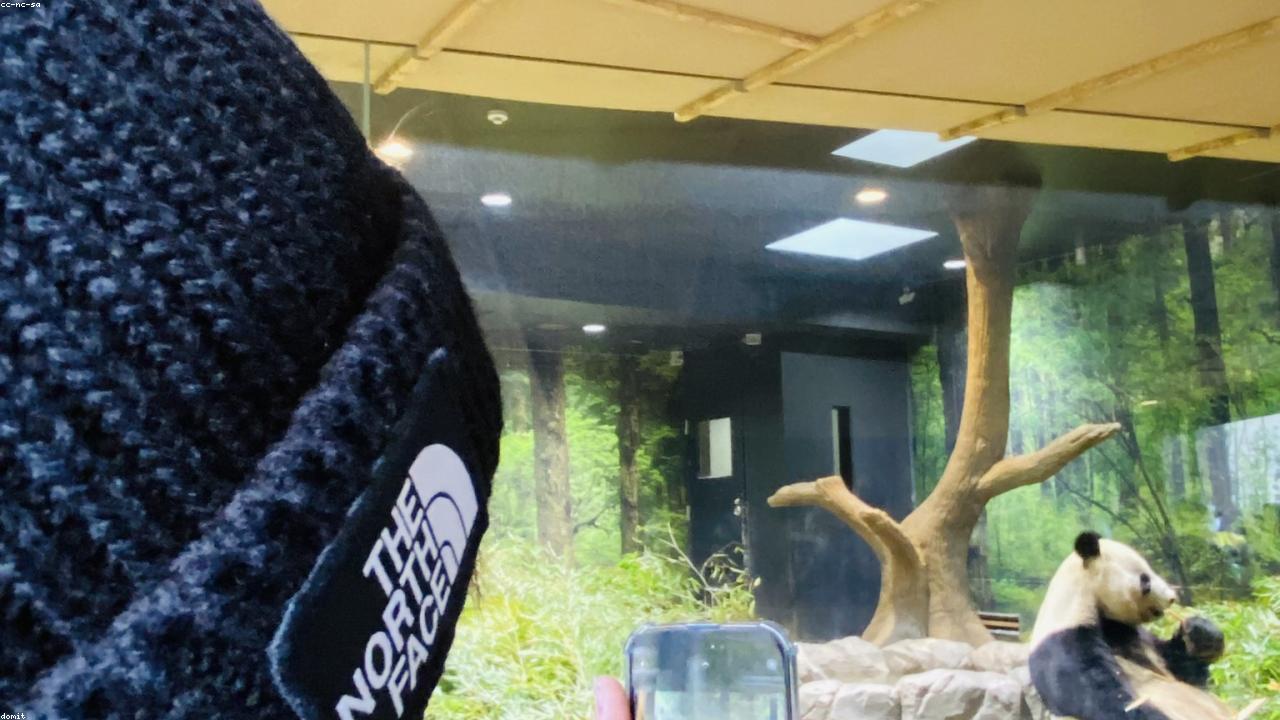
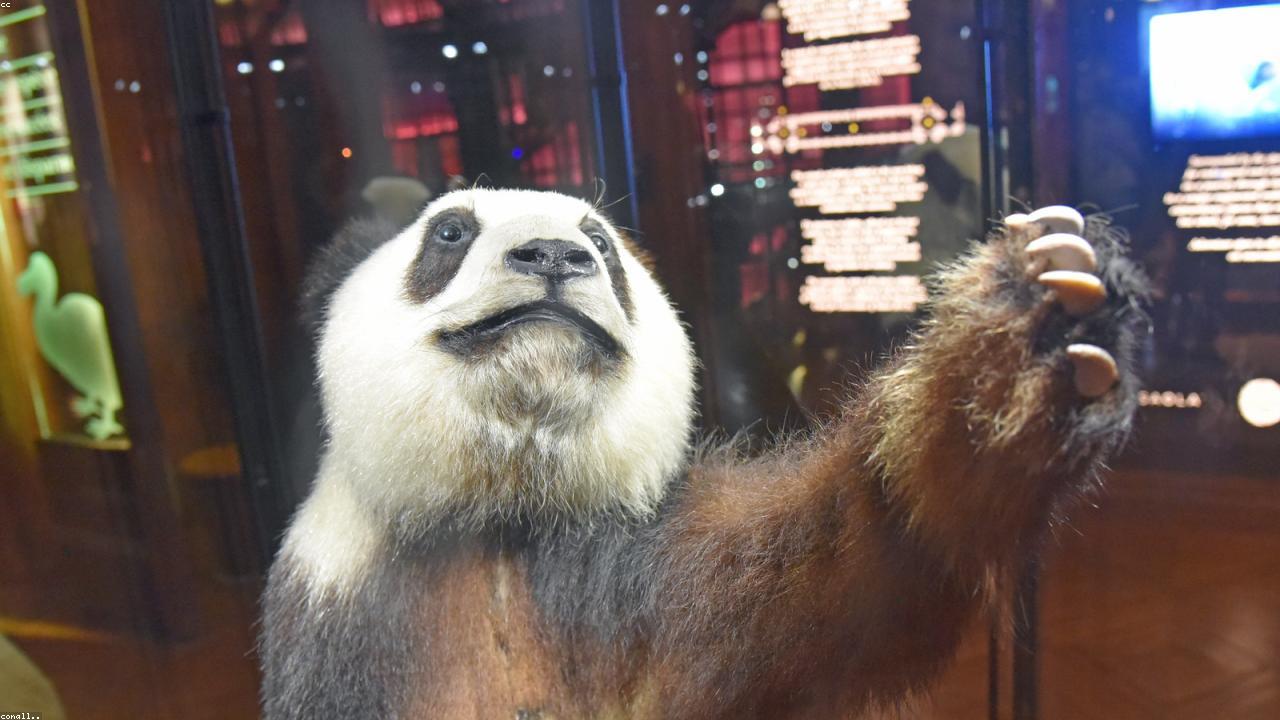
Production Note
Keep images inside the body content and avoid relying on a featured-image hero. This gives tighter control over composition and mobile layout.
FAQ: Flying Panda’s in Story Design
1. Are flying pandas realistic?
No, they are a fantasy narrative tool designed to create contrast and wonder.
2. Why does this topic perform well in visual blogs?
It combines a recognizable subject with surreal motion, which increases dwell time and shareability.
3. How many images should be included?
For substantial stories, 5 to 8 high-quality images usually gives the best reading rhythm.
4. Should every section have an image?
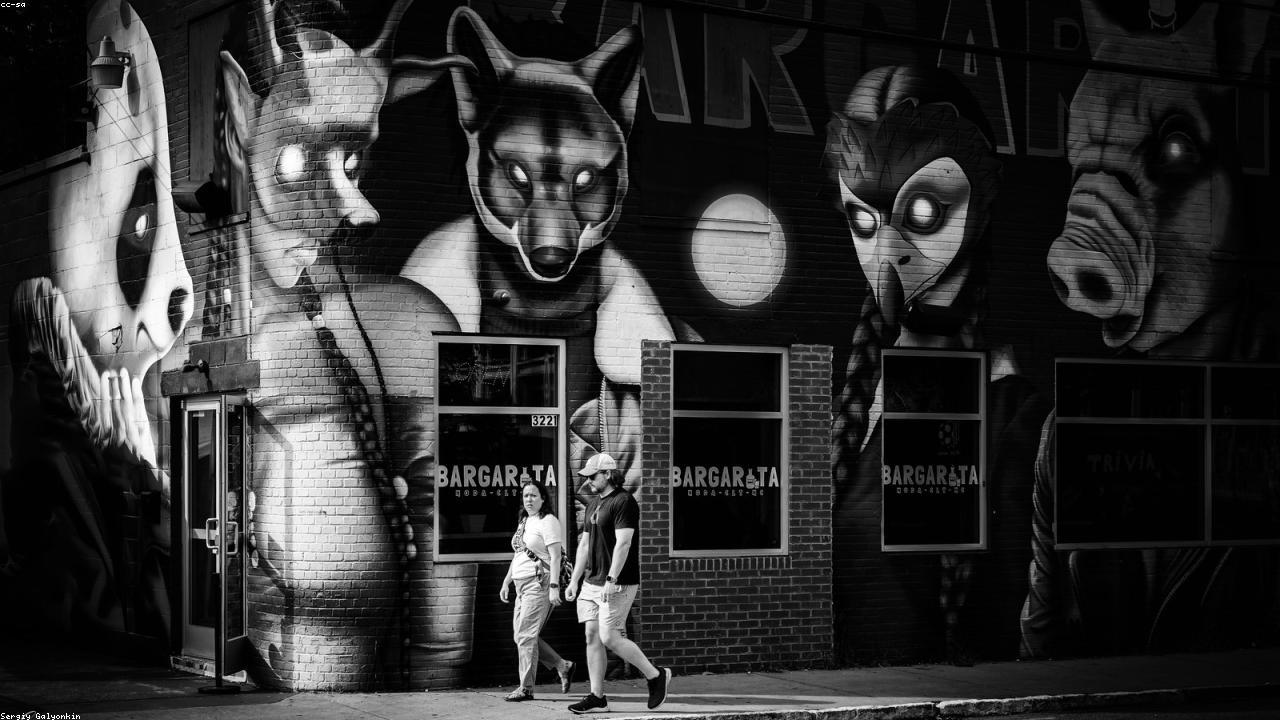
No. Use images where they add context, transition, or emotional impact.
5. What writing tone works best?
A calm, cinematic tone with practical structure tips tends to work best.
6. Can this format be reused for other surreal topics?
Yes. Keep the same section flow and swap topic-specific visuals and headings.
7. How do I keep the layout polished on mobile?
Use short paragraphs, generous spacing, and avoid oversized headers that break line rhythm.
8. What final checks should happen before publishing?
Confirm comments and pingbacks are disabled, verify featured image is cleared, and test the live URL rendering.
Closing Thought
Flying panda’s may be imaginary, but the publishing framework is practical: intentional sections, strong visual pacing, and a complete FAQ that answers real reader questions.

