
Field Notes
Blue Birds in Morning Light
Blue birds bring a flash of cobalt and sky-blue into gardens, meadows, and fence lines. This guide covers where to find them, how to identify them fast, and why their comeback story matters.
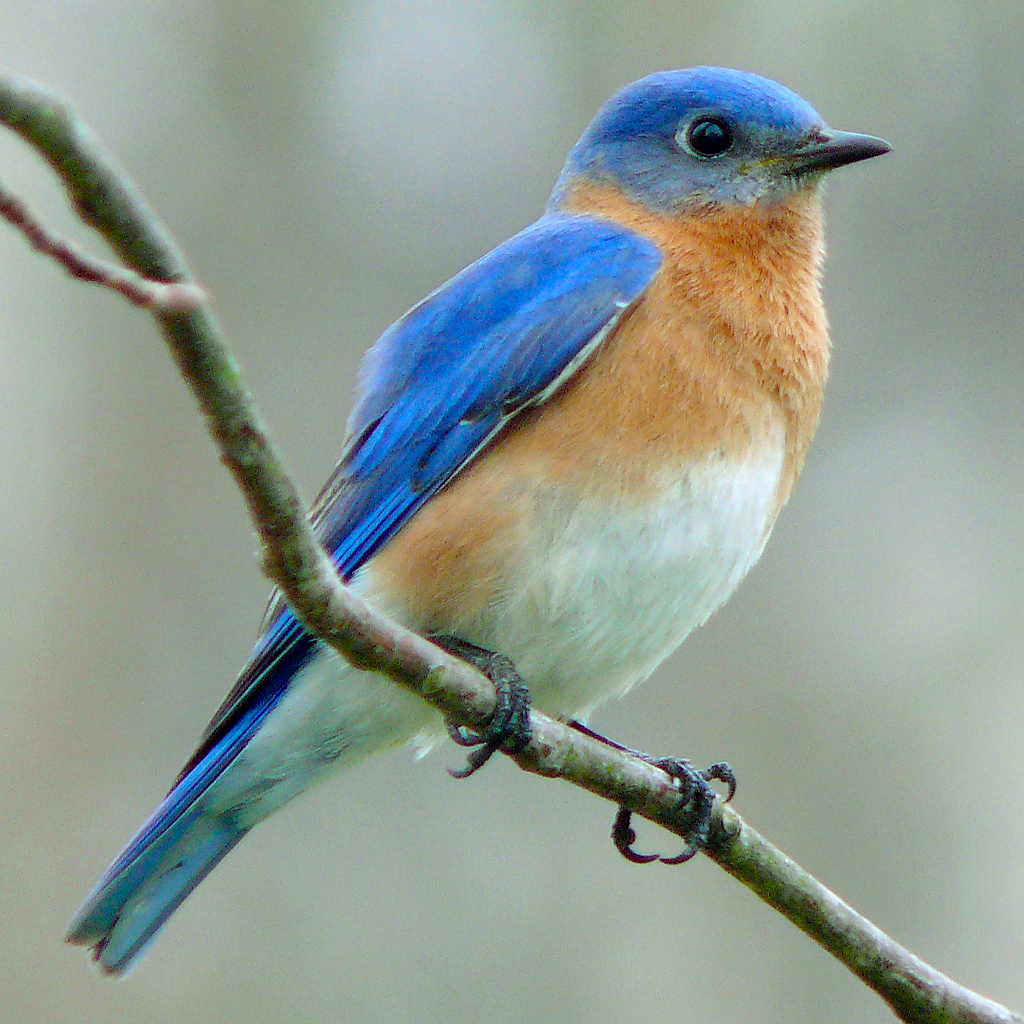
Why blue birds stand out
Unlike many birds that blend into bark and leaf tones, blue birds wear structural color that looks bright even in soft light. Their upright posture, calm perching behavior, and short flights between low branches make them one of the easiest songbirds to observe closely.
- Rounded head, compact body, and short dark bill
- Blue upperparts with warm orange or rusty chest (species dependent)
- Perch-watch-hunt behavior over open grass or field edges
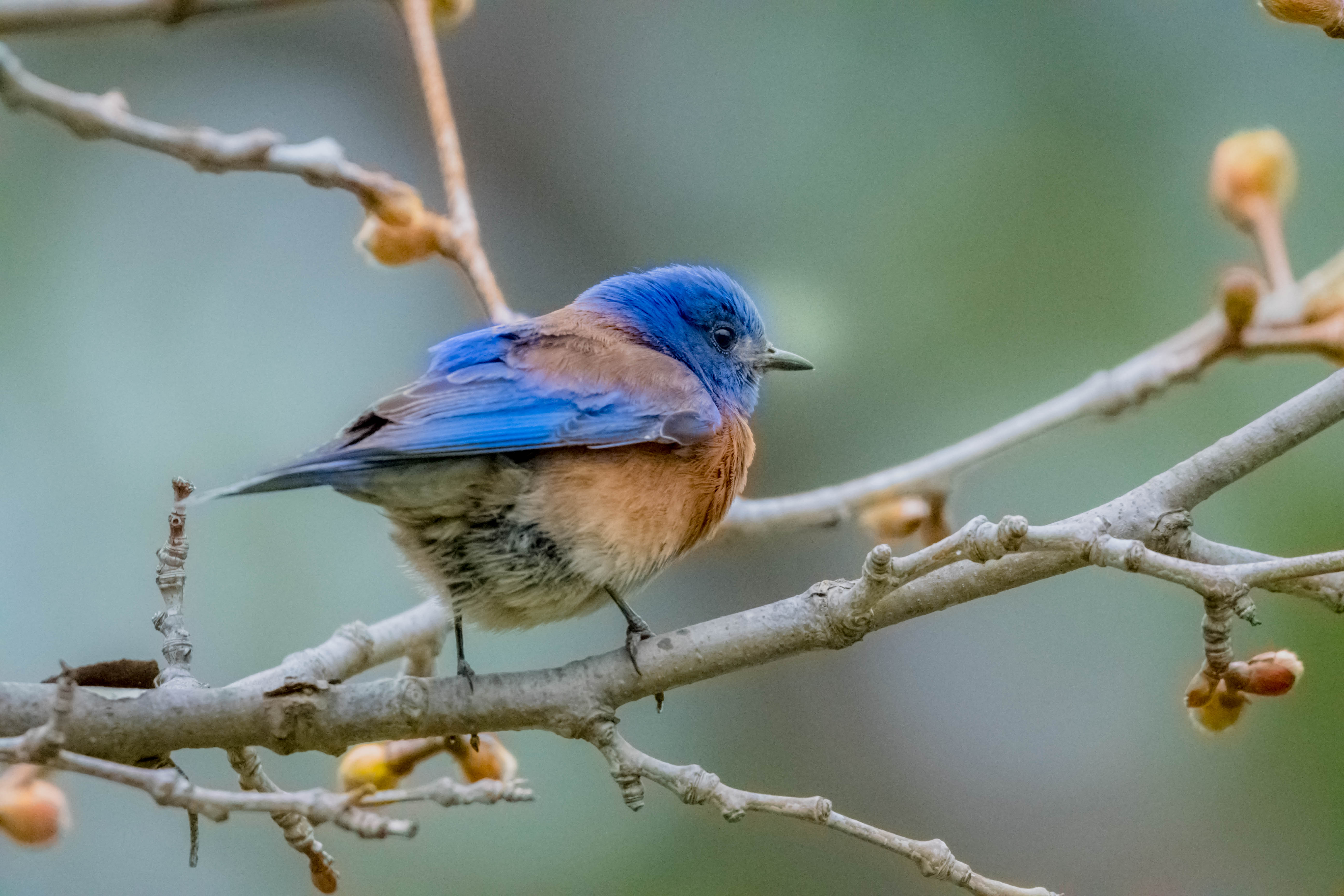
Where and when to look
Your best chances are sunrise through mid-morning in open habitats: orchards, rural roadsides, parks with scattered trees, and pasture fences. Move slowly, pause often, and watch for quick drops to the ground as they hunt insects.
If you want to attract them, add nest boxes in open lawn edges and avoid broad pesticide use. Blue birds respond quickly to habitat that supports insects and safe nesting cavities.
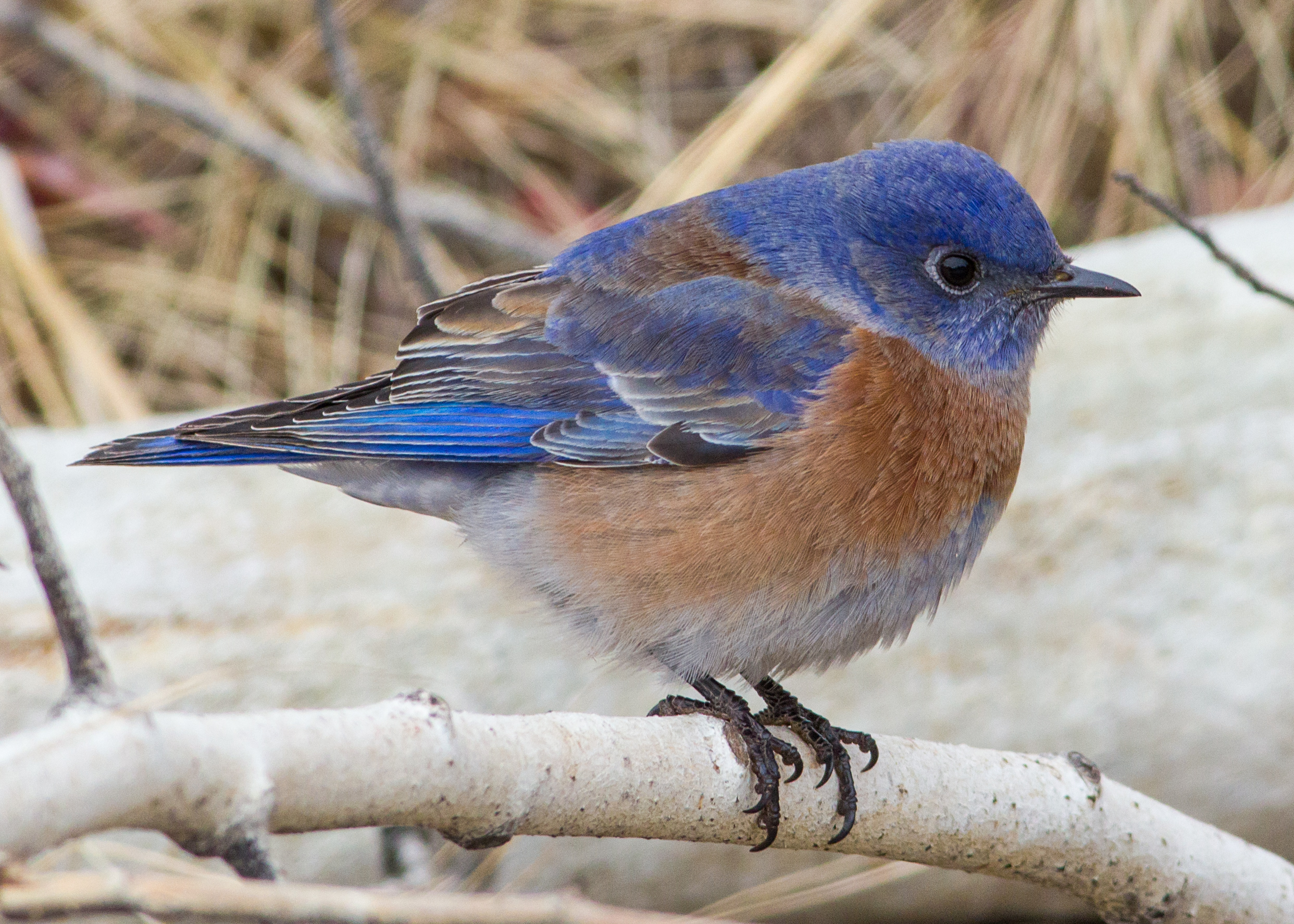
Conservation note
Blue bird recovery in many regions is one of the best examples of practical conservation working in real life. Community nest-box trails and better habitat stewardship have helped populations rebound where they once declined sharply.
Photos sourced from Wikimedia Commons.
Blue Bird FAQ
A few quick answers for readers who want to spot, support, and identify blue birds with more confidence.
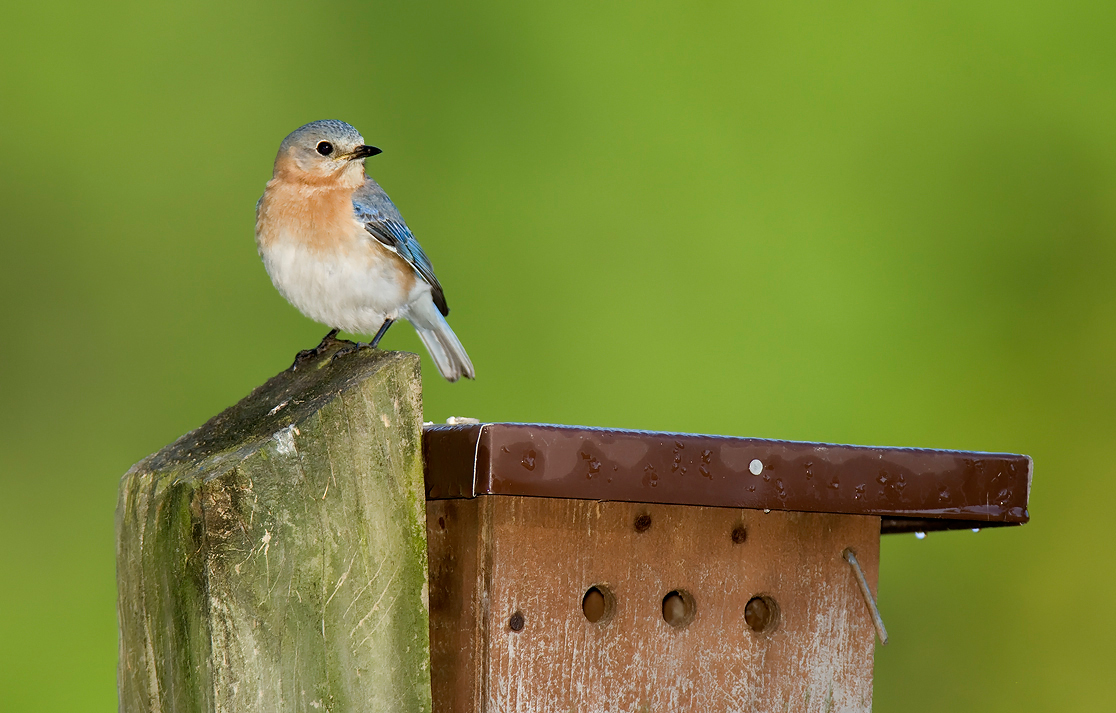
Do blue birds actually use nest boxes?
Yes. In areas with open habitat, properly placed nest boxes can significantly increase successful nesting. Place boxes in open space, around 4-6 feet high, and away from heavy pesticide exposure.
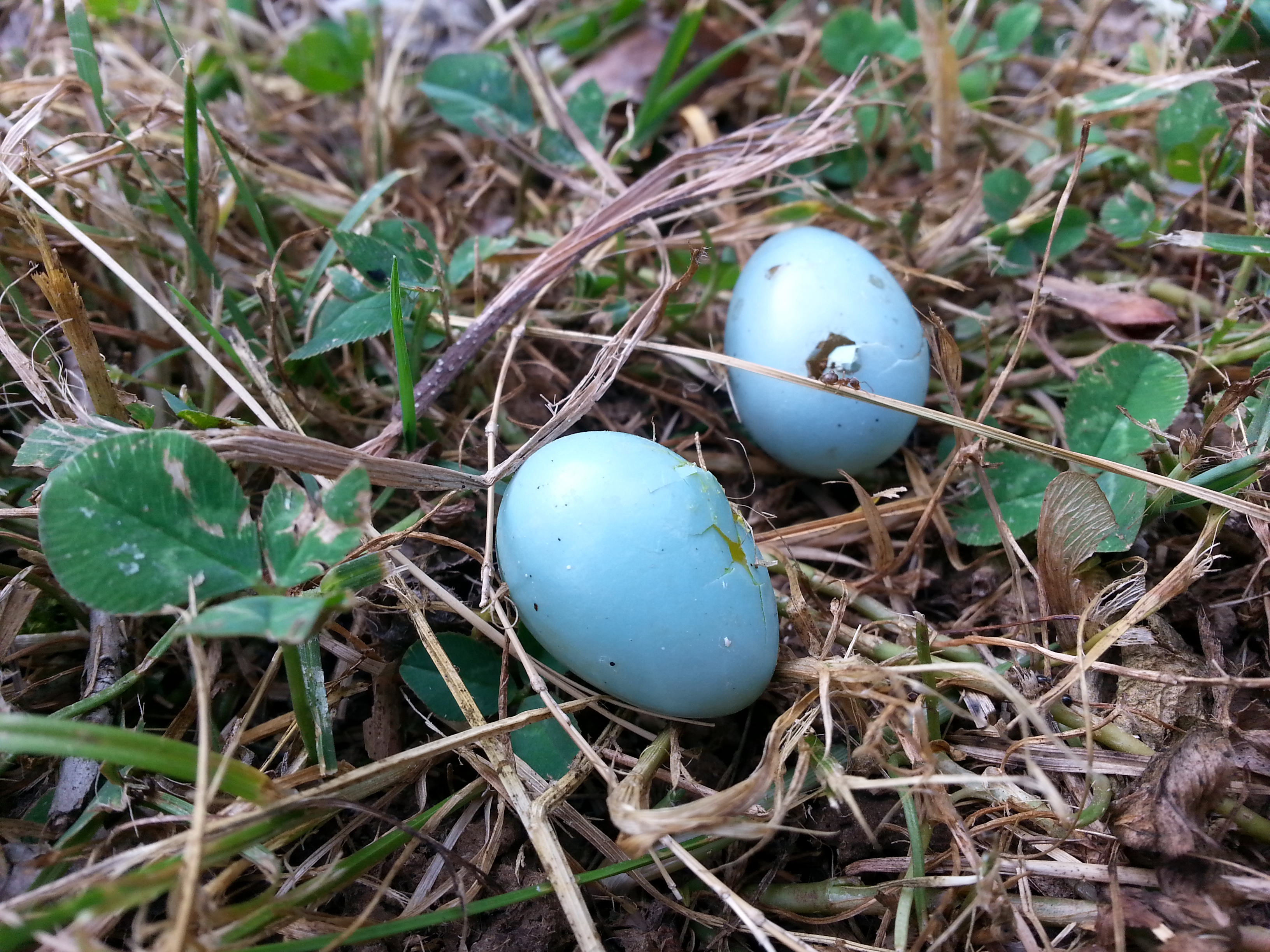
What do bluebird eggs look like?
Bluebird eggs are usually a clean pale blue, though occasionally white eggs can occur. Clutch sizes are often around 3-7 eggs depending on region and conditions.
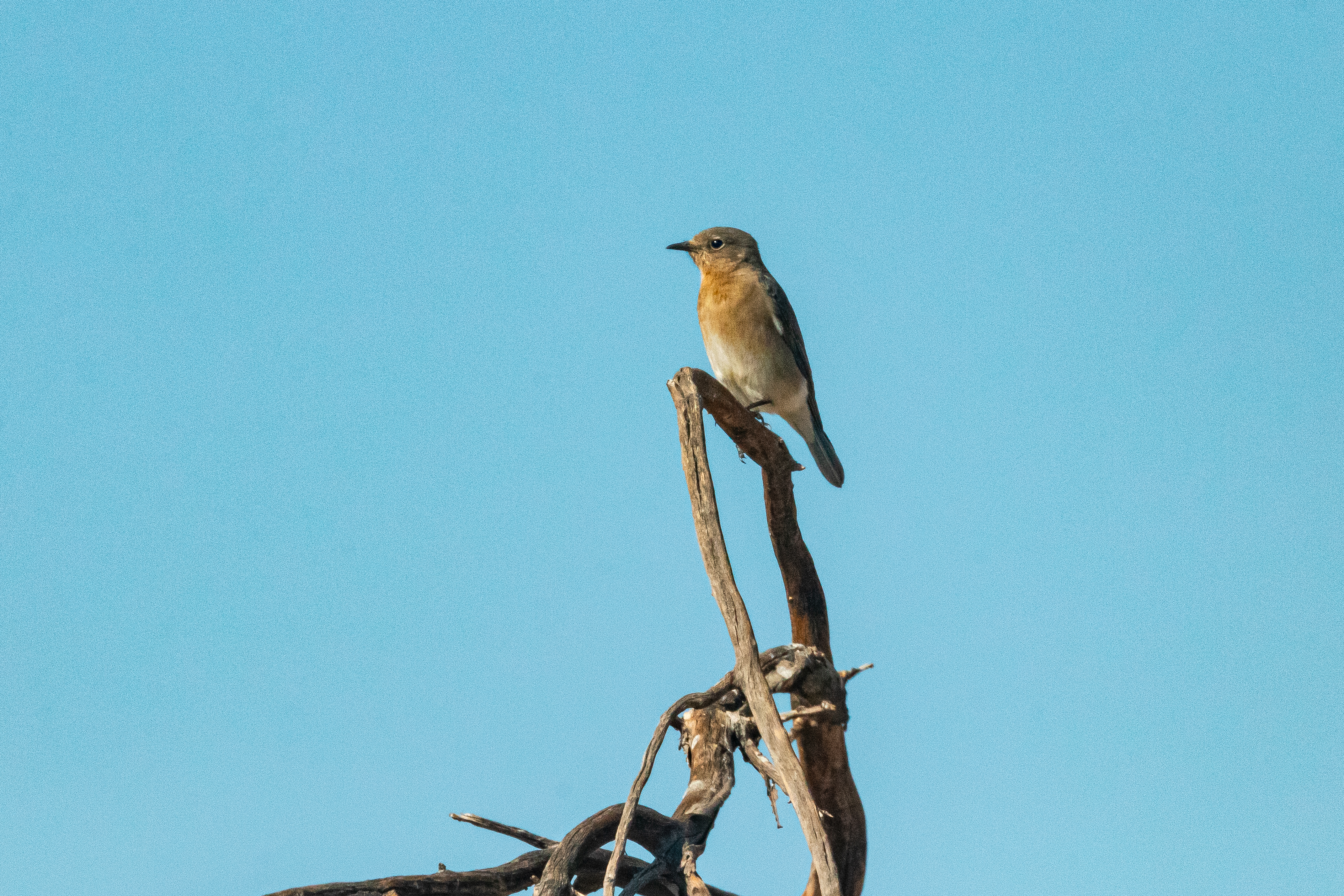
How can I tell male and female blue birds apart?
Males are usually more saturated and vivid blue. Females tend to show softer, grayer tones with less intense contrast, especially on the head and back.
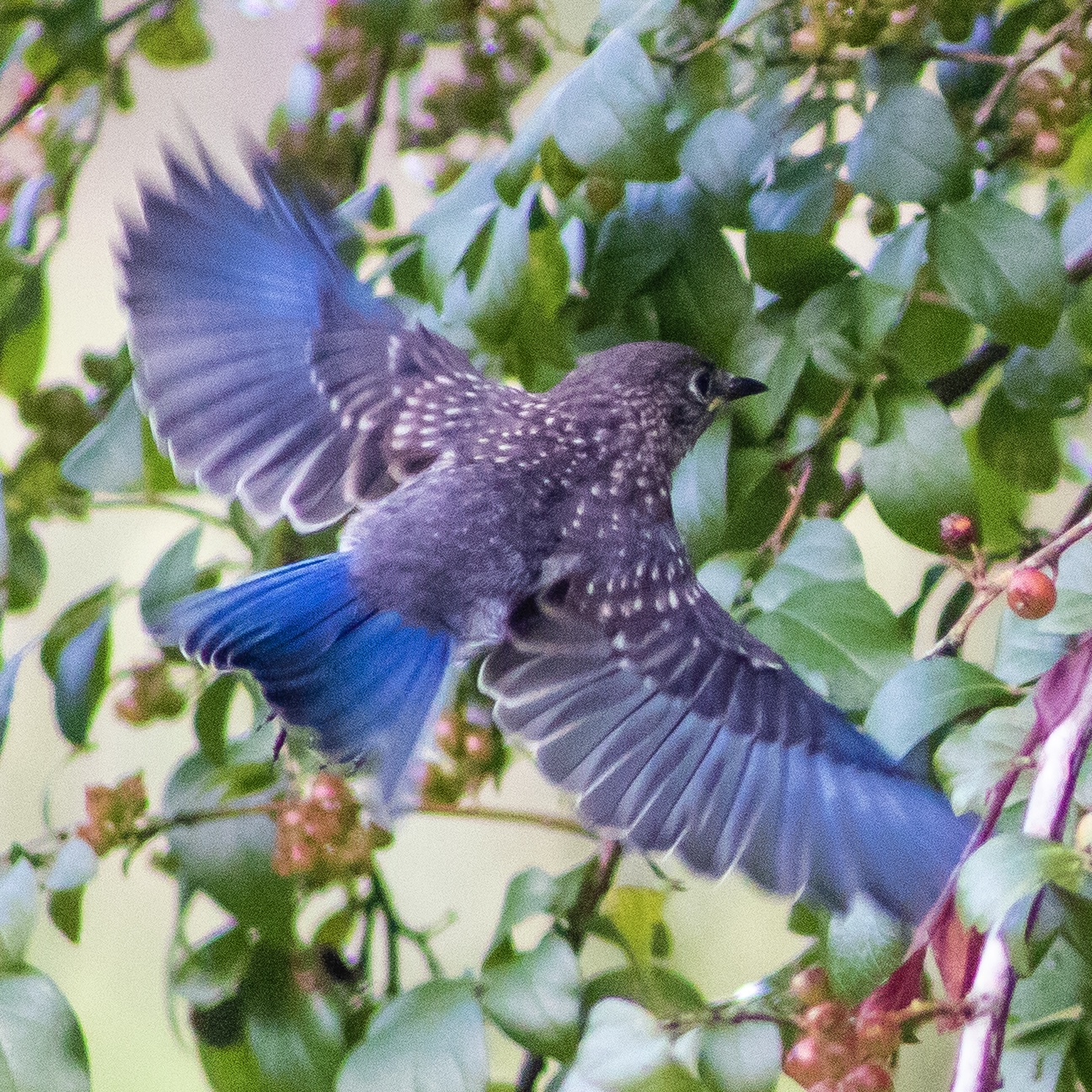
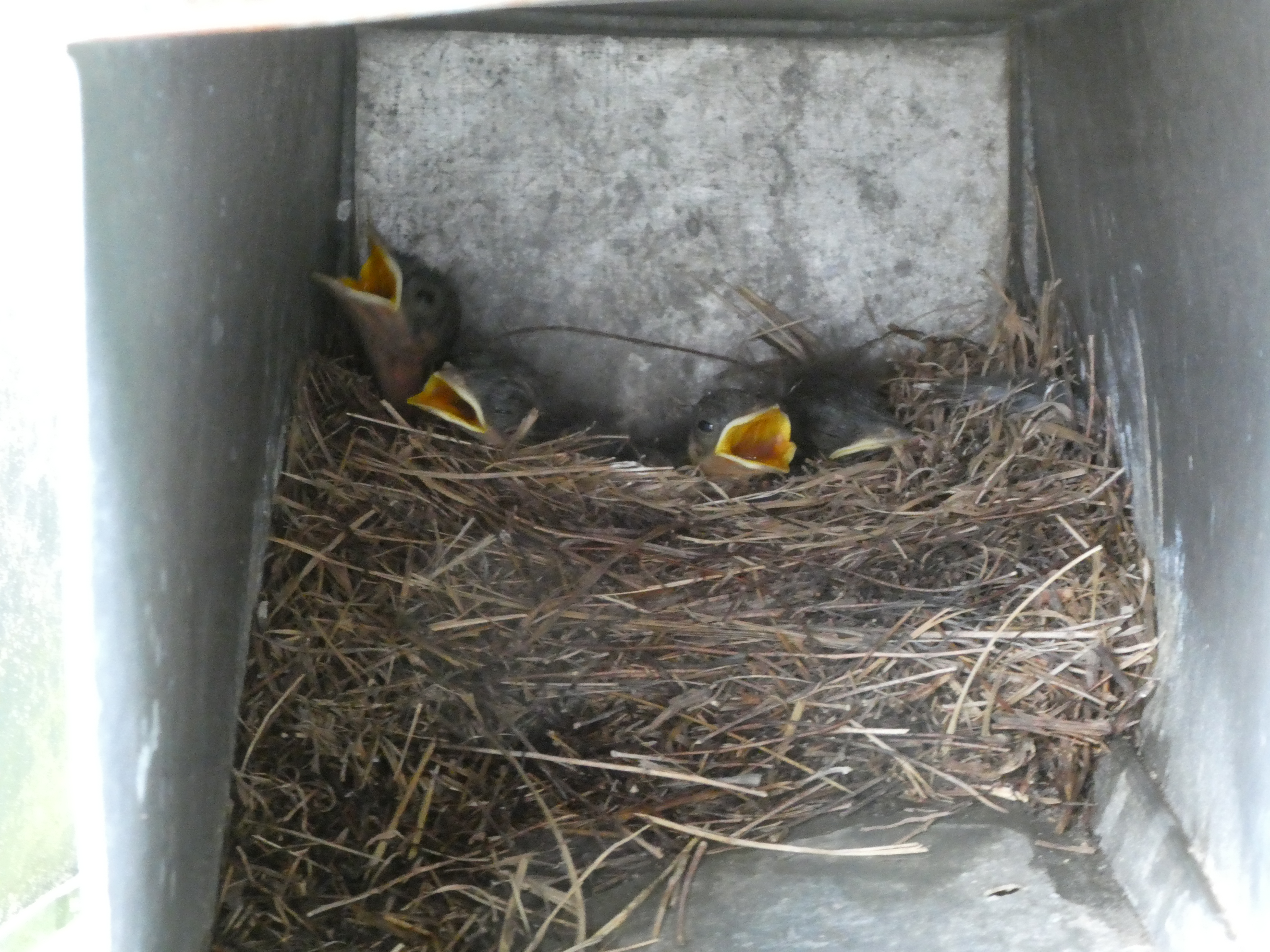
What do young blue birds look like before they fledge?
Juveniles show mottled spotting and less vivid blue than adults. As they mature, plumage transitions toward the cleaner blue-and-rust patterns people recognize.
Fast backyard checklist
- Install a predator-guarded nest box in open habitat.
- Keep short grass patches where birds can hunt insects.
- Offer clean water and avoid broad-spectrum pesticides.
- Watch at dawn when activity is highest.
FAQ photos also sourced from Wikimedia Commons.

